
How the Right Substrate Changes the Entire Print Result
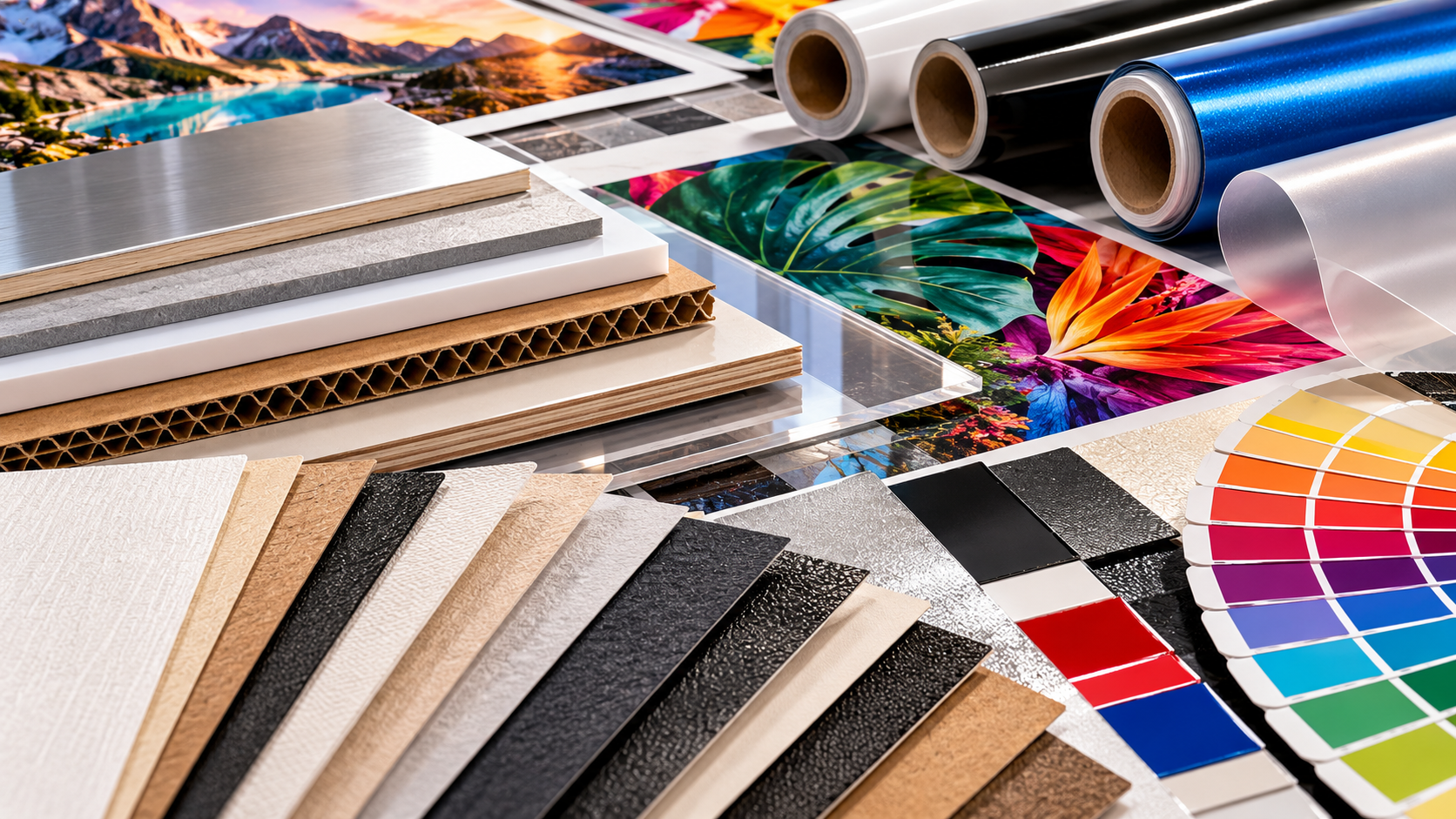
Substrate is never a passive canvas. Whether running high-gloss art paper, uncoated craft board, cast self-adhesive vinyl, or corrugated correx, the physical material dictates ink holdout, dot gain, drying behavior, and tactile luxury.
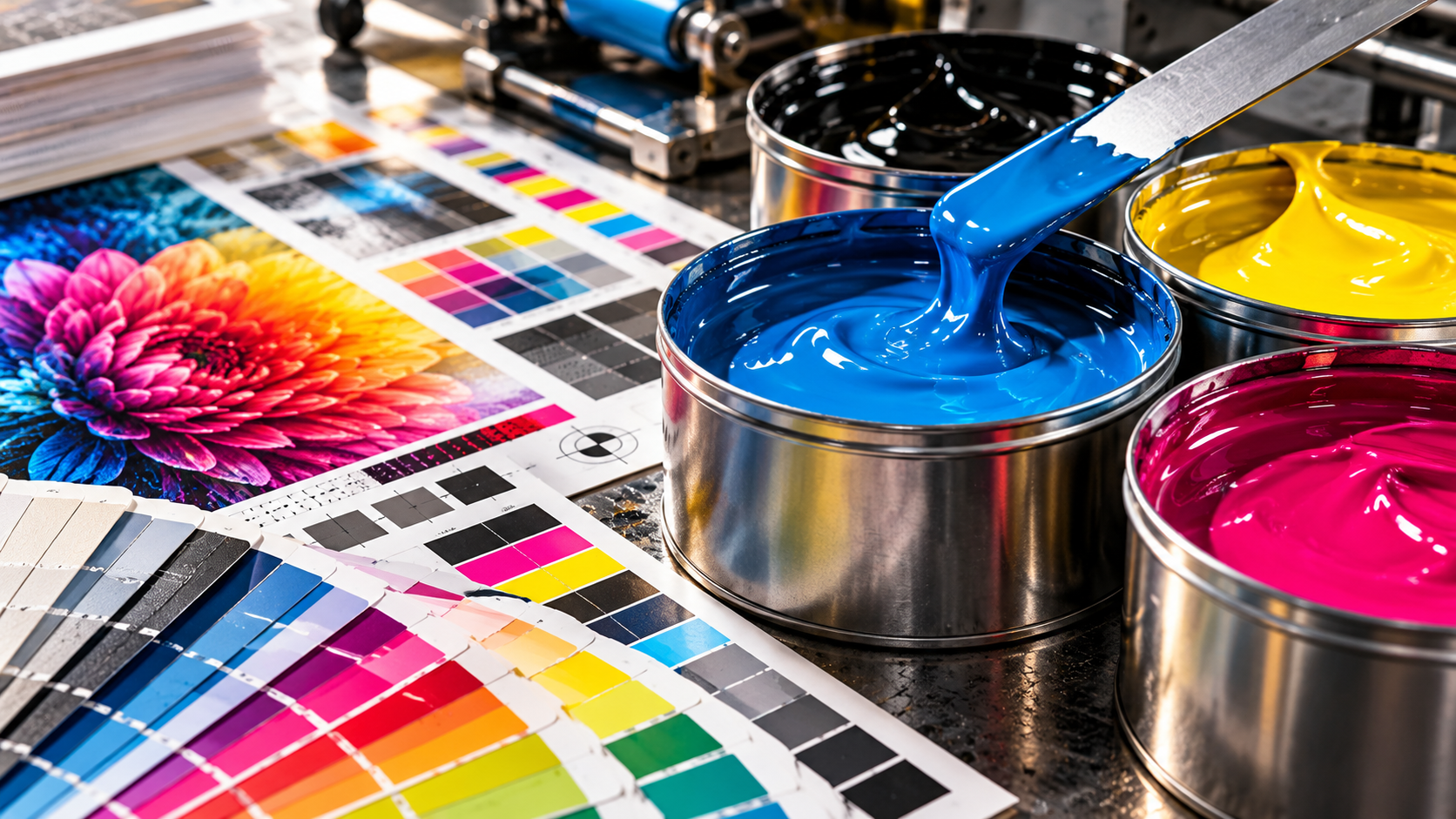
011. Surface Porosity and Dot Gain Mechanics
When an ink droplet strikes a smooth coated stock, it remains predominantly on the surface, producing crisp halftone rosettes and deep maximum density. On porous, uncoated sheets, the liquid vehicle is drawn into the capillaries of the pulp, causing dots to expand (mechanical dot gain).
Understanding this difference allows prepress operators to apply custom compensation curves at the RIP stage, preventing muddy shadow tones on natural or recycled stocks.
“The substrate is your print run’s silent co-author. It determines how every single dot behaves.”
022. Optical Brighteners and Whiteness Profiles
Two white sheets from different mills will reflect light very differently. High-OBA (Optical Brightening Agent) sheets reflect UV rays as fluorescent blue-white light, making cool blues and cyans appear punchy while subtly cooling down skin tones.
Warm, natural-shade papers with creamy undertones enrich earth tones, luxury packaging, and editorial publications.
“High-grade ink cannot compensate for a poorly selected or mismatched substrate.”
033. Rigid and Large-Format Substrates
Moving into large format, aluminum composite panels, correx fluted boards, and monomeric versus polymeric vinyl rolls demand specialized inks and surface tension preparation. Dyne levels must match ink surface energy to prevent flaking and peeling.
Key Takeaways for Printers & Designers
- ✓Dot gain curves must be calibrated specifically for coated vs. uncoated stocks.
- ✓Paper brightness and OBA levels significantly shift skin tones and neutral greys.
- ✓Large-format rigid media requires strict Dyne surface-energy matching for ink adhesion.
- ✓Substrate grain direction determines folding reliability and dimensional stability.
Need help choosing the right material for your print job?
Talk directly with our pressroom consumables and ink specialists in Nairobi.
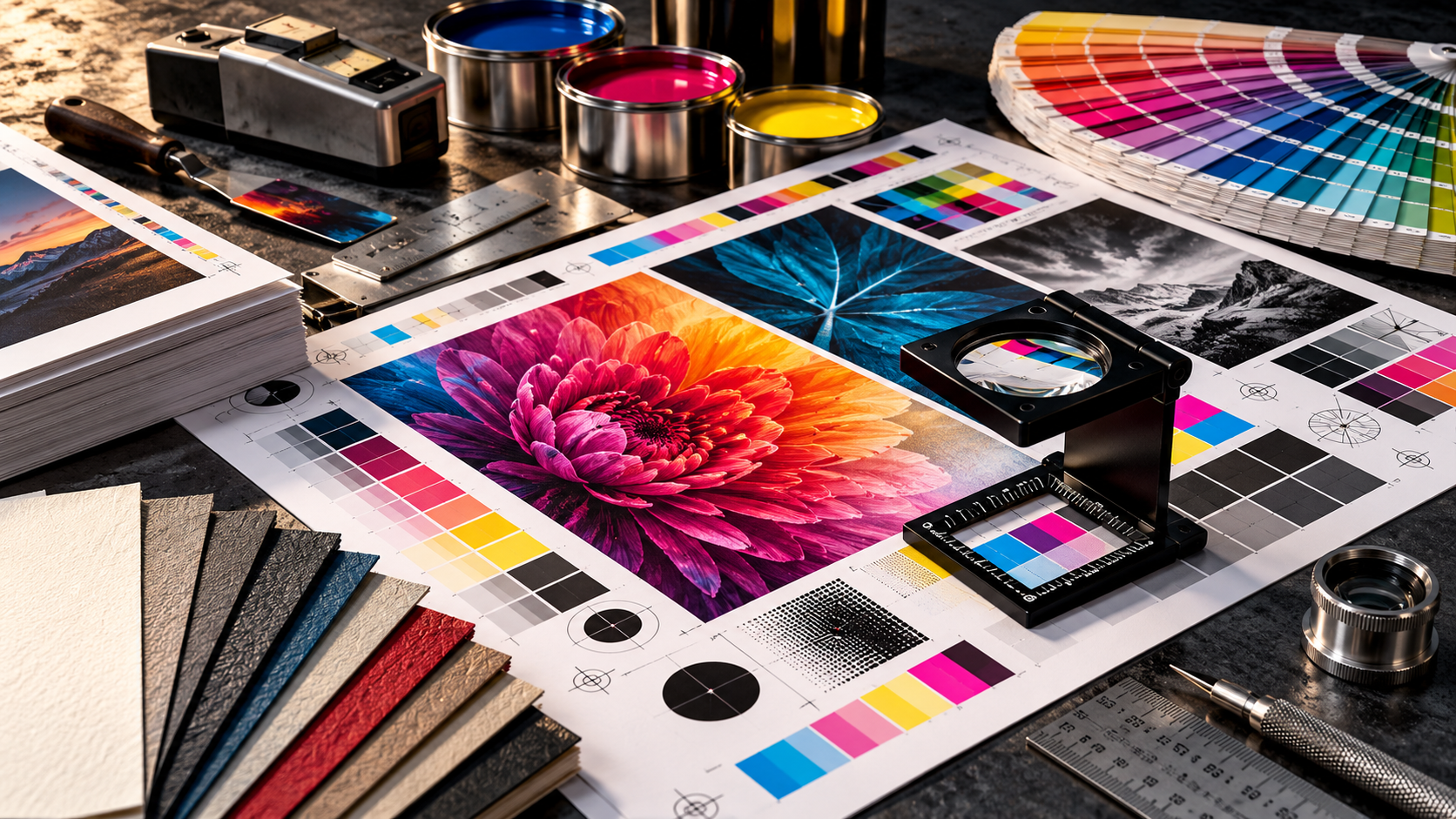
Why Colour Changes from Screen to Print
What looks perfect on a screen can shift once it reaches paper. Learn the practical reason colour changes between digital artwork and printed output, and what to check before production starts.
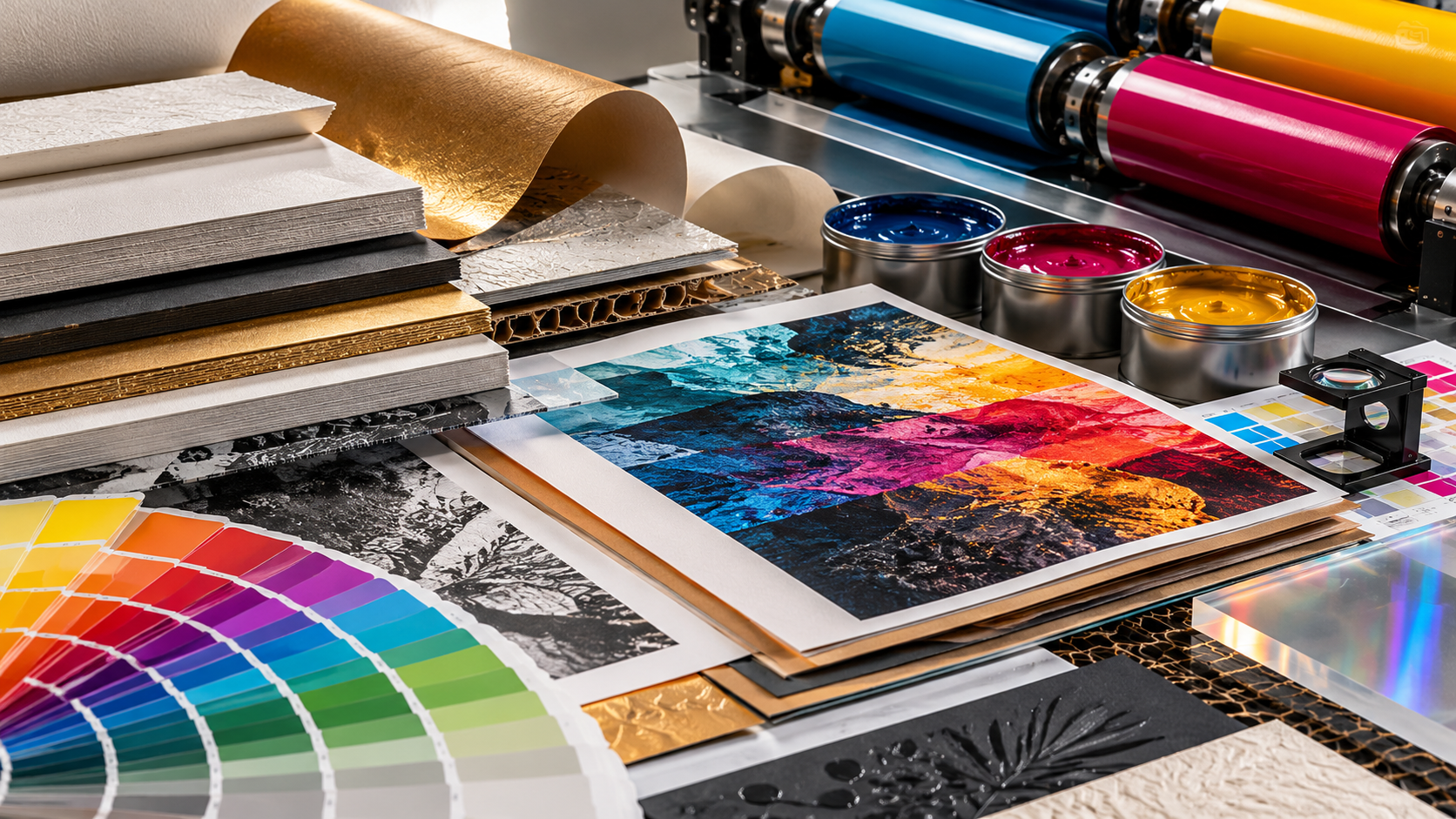
How to Catch Print Problems Before Production
Many costly print issues can be prevented before the job goes to press. This article explains the simple checks that help catch colour, file and proofing problems early.
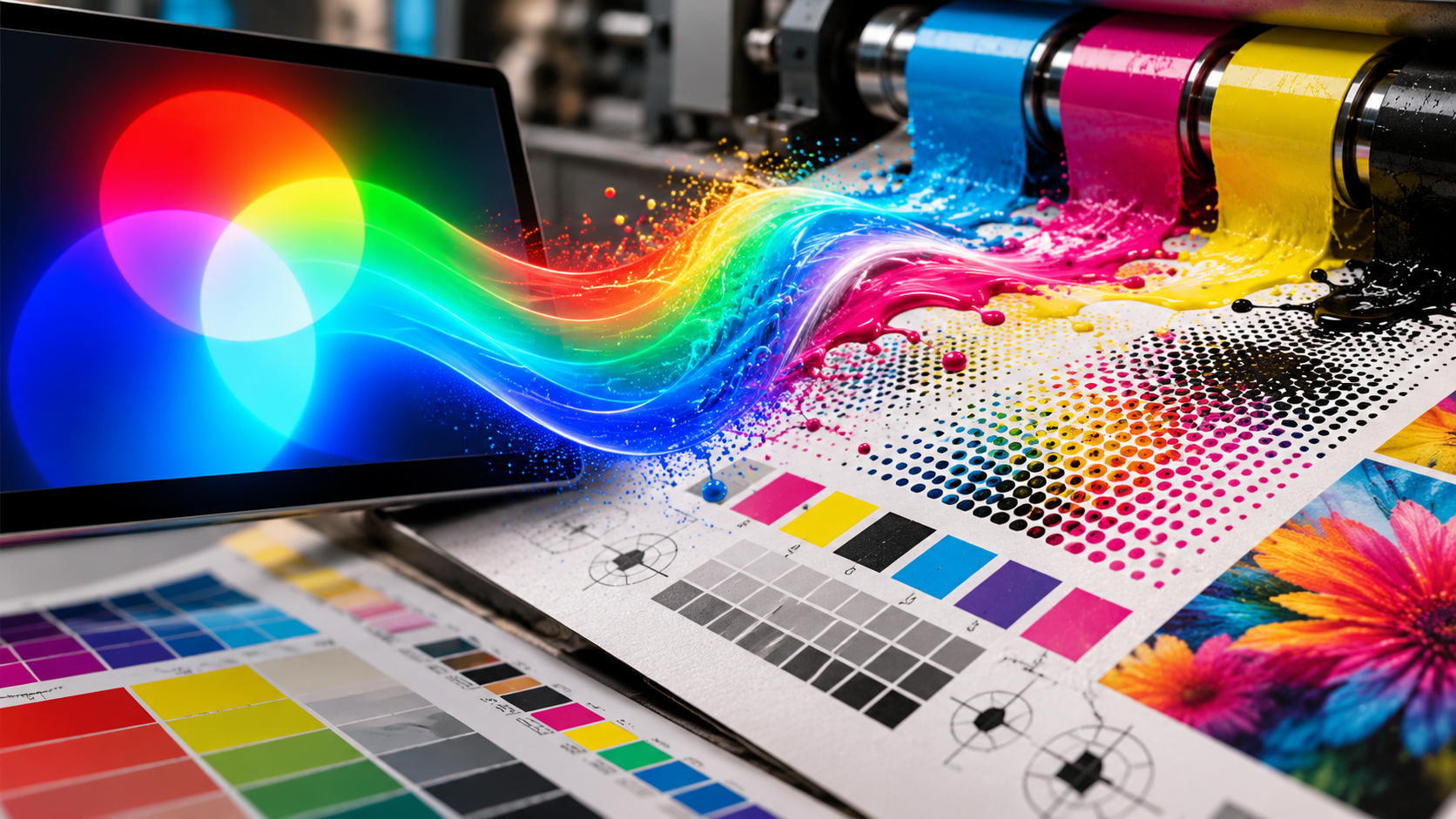
The Right Material Is Only Part of the Job
Great print results do not come from material choice alone. Ink behaviour, press setup, finishing and application all work together to determine the final outcome.
How to Approve Colour Before It Becomes a Costly Print Problem
A fast practical guide to checking proofs, ink behaviour and expectations before a job goes to press, so colour decisions are made early and correctly.
The Finishing Touches That Make Print Feel Premium
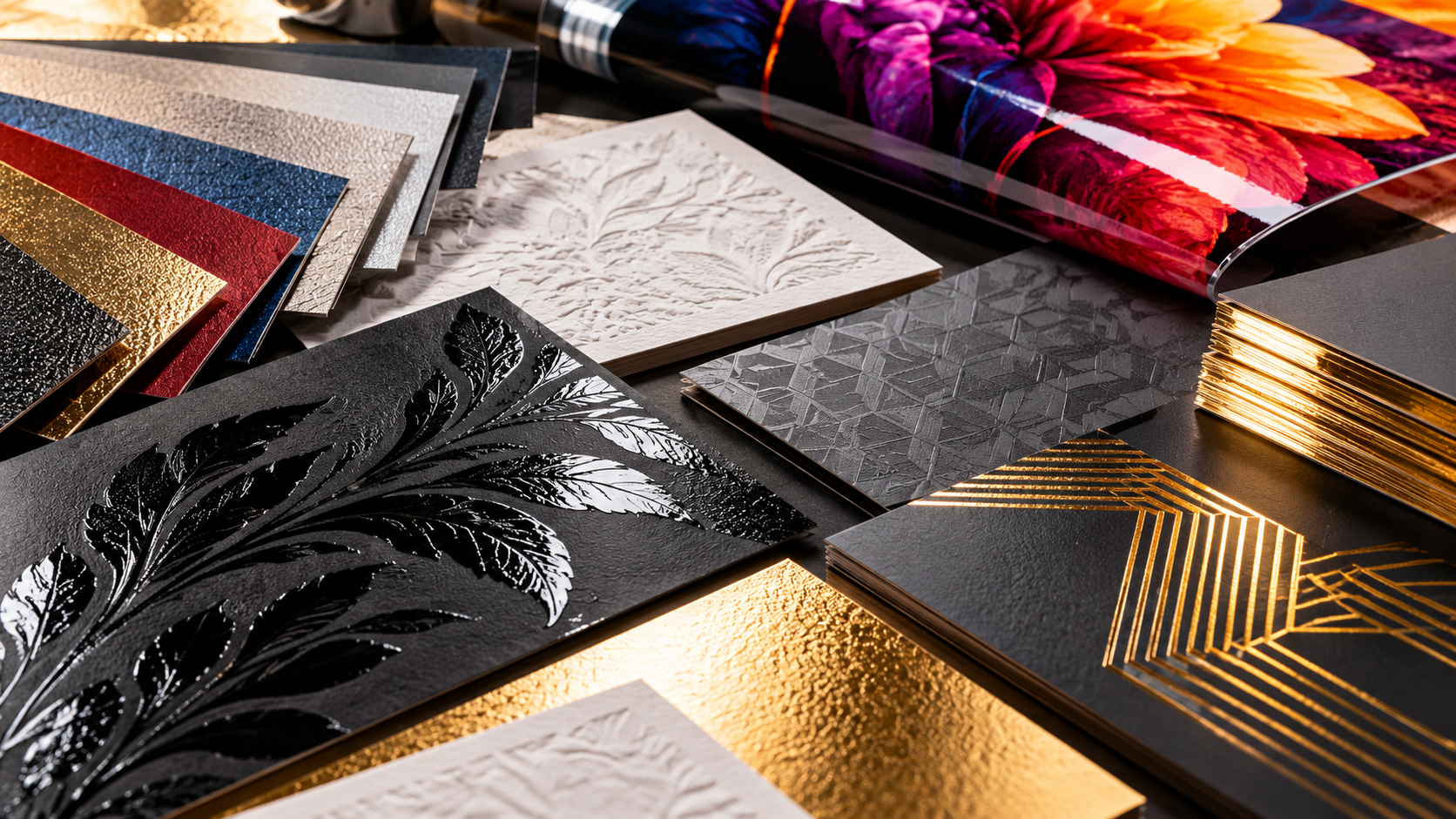
Lamination, coating, texture and finishing details can completely elevate a job. This article explains the small final choices that create a premium result.